The Ice Dam Problem in Zone 5: Why Indianapolis Attics Are Vulnerable
If you live in Indianapolis, you know Zone 5 winters are no joke. Temperatures swing between freezing nights and occasional mild days, creating the perfect storm for ice dams. These ridges of ice that form at the edge of your roof aren't just unsightly, they're a warning sign that your attic has serious thermal and moisture problems.
Ice dams form when warm air from your living space leaks into the attic, warming the roof deck and melting snow. That water runs down to the cold eaves, refreezes, and traps more water behind it. Over time, water backs up under your shingles and into your home, causing interior damage, rot, and mold. The root cause isn't usually poor roofing, it's poor attic air sealing and inadequate insulation working together. Many homeowners think adding more insulation will solve the problem, but without proper air sealing first, you're just making things worse.
Air Sealing Comes First: Why Insulation Alone Won't Fix Your Attic
Here's the hard truth that many insulation contractors won't tell you: if your attic isn't properly sealed, adding Attic Spray Foam Insulation without addressing air leaks is like putting a band-aid on a deeper wound. Air leaks are the enemy of any insulation strategy. They allow warm, moist air from your home to escape into the attic cavity, where it cools and condenses into liquid water. That condensation leads to wood rot, mold growth, and the deterioration of whatever insulation you've already installed.
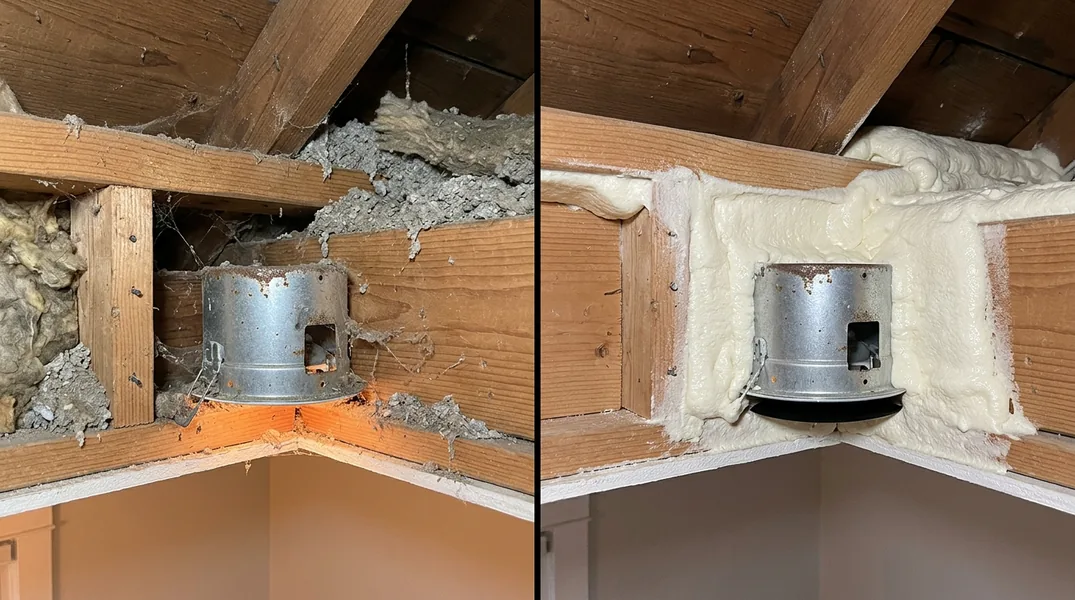
In Indianapolis, attics are full of hidden air leaks. They come from gaps around electrical penetrations, plumbing vents, recessed lights, ductwork, and the top plates of interior walls. Many homeowners have attics that leak like sieves. Before you invest in new insulation, these leaks must be sealed. This is where Closed Cell Spray Foam Insulation becomes a game-changer. Unlike traditional fiberglass batts, spray foam seals and insulates simultaneously, addressing both problems at once.
Condensation in Attic Spaces: The Hidden Damage Happening Now
One of the most damaging issues homeowners don't see is condensation in attic spaces. During winter, warm air from your heated home rises and escapes through cracks and gaps into your attic. When that warm, humid air hits the cold roof deck and rafters, it condenses into water droplets. Over weeks and months, this moisture accumulates on wood framing, insulation, and sheathing, creating ideal conditions for mold and rot.
The problem is especially severe in older homes throughout Indianapolis, where attic ventilation was designed differently than modern building codes require. Many homes have inadequate ventilation paired with massive air leaks, a combination that guarantees moisture problems. You might not notice it until you smell musty odors, see dark stains on wood, or discover that your insulation is damp and matted down. By then, significant damage has already occurred. This is why identifying and sealing air leaks is the first critical step before any insulation upgrade.
Unvented Attic Spray Foam: The Modern Solution to Zone 5 Moisture Problems
The modern solution to attic moisture and ice dam problems is Closed Cell Spray Foam Insulation applied to create an unvented attic assembly. Unlike traditional vented attics, an unvented attic spray foam system creates a sealed thermal boundary at the roof line. Spray foam is applied directly to the underside of the roof deck and the walls, creating an air-tight seal that prevents warm, moist air from escaping into the attic space in the first place.
This approach eliminates the root cause of ice dams and attic moisture problems. With no warm air leaking into the attic, the roof stays cold in winter, snow doesn't melt prematurely, and ice dams don't form. Additionally, your attic becomes part of your home's thermal envelope, which means you can safely use it for storage or future expansion without worrying about condensation damage. For homeowners in Zone 5 climates like Indianapolis, this is often the best long-term solution, though it must be installed correctly to meet building codes.
The Right Spray Foam Type Matters: Closed Cell vs. Open Cell for Indianapolis Attics
Not all spray foam is created equal, and choosing the right type for your attic is critical. Closed cell spray foam has a higher R-value per inch (around R-6 to R-7), superior moisture resistance, and excellent air-sealing properties. It's the ideal choice for attics in cold climates like Indianapolis, where preventing condensation and maintaining a thermal barrier are priorities. Closed cell foam creates a vapor barrier, which is essential in unvented attic assemblies.
Open Cell Spray Foam Insulation is less dense, more affordable, and has a lower R-value per inch (around R-3.5). It's permeable to moisture, which means it allows water vapor to pass through. While open cell foam has its place in certain applications, it's generally not recommended for attics in Zone 5 climates where condensation risk is high. The wrong foam type in your attic can actually trap moisture and create the very problems you're trying to prevent. This is why working with experienced professionals who understand Indianapolis's climate and building codes is essential.
Getting Started: Your Next Steps Toward a Dry, Energy-Efficient Attic
If you're dealing with ice dams, attic moisture problems, or simply want to improve your home's energy efficiency, the first step is a professional attic inspection. A qualified contractor can identify air leaks, assess your current insulation, check for existing moisture damage, and recommend the best solution for your specific situation. Many homeowners are surprised to learn how much warm air they're losing through their attics, and how affordable it can be to fix the problem.
Indianapolis Spray Foam Insulation specializes in diagnosing and solving attic problems for homeowners throughout the region. We understand Zone 5 winters, we know how to properly air seal before insulating, and we're committed to using the right materials for your climate. Whether you need a comprehensive attic overhaul or targeted air sealing, we can help. Contact us today at (463) 285-8584 or request a free estimate to learn how spray foam insulation can protect your home, eliminate ice dams, and reduce your energy bills this winter and beyond.
Looking for a professional spray foam insulation contractor in Indianapolis? Indianapolis Spray Foam Insulation responds fast for all your spray foam insulation needs.
Get a Free Quote